
Opening remarks and greetings

Minister of Culture of Estonia
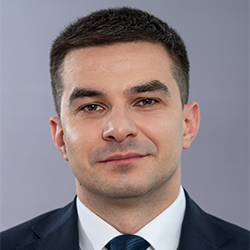
Director of the Integration Foundation
Democracy under pressure: threats, polarization and the prerequisites for democratic resilience
Democratic backsliding is often explained through political elites, constitutional design, or institutional weakness. Yet democratic erosion also depends on what citizens are willing to tolerate. What happens when democratic principles come into conflict with other urgent priorities—security, partisan victory, social status, or the defence of valued identities. The keynote draws on a series of studies examining the individual-level foundations of democratic vulnerability.
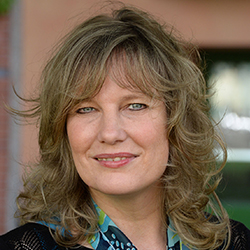
Professor of Political Science, McGill University, Canada
What 200 migrants taught us about better integration policy
How can we reach migrants and diverse communities and turn their lived experiences into concrete policy recommendations? How can we build a society where everyone feels they belong and can live a free and dignified life, regardless of where they were born?
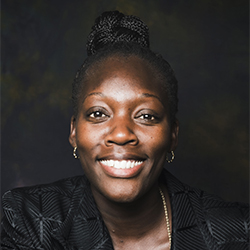
Deputy CEO of the Swedish think tank Arenagruppen and Co-founder of Integrationsbyrån, Sweden
Panel Discussion:
What keeps society cohesive and resilient in a world of global change?
What values and principles help create and sustain social cohesion even when societies face numerous challenges, from economic downturns to increasing polarization? What role does diversity play in this context, and how can it become a source of strength rather than division? And what practical solutions can help translate these ideas into action at the grassroots level, in communities and people's everyday lives?
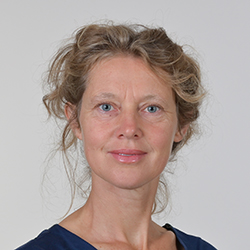
Lecturer, Bern University of Applied Sciences, Switzerland
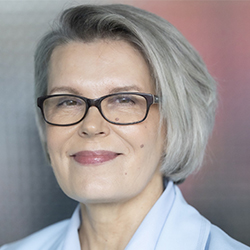
Tenured Professor and Leading Researcher, Latvian Academy of Culture, Latvia

Global Head of PR at Bolt
Moderator:
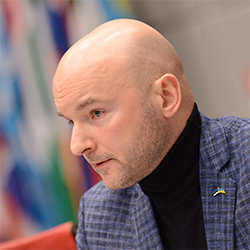
Director and Co-founder, Estonian Centre for Defence and Security Awareness, Estonia
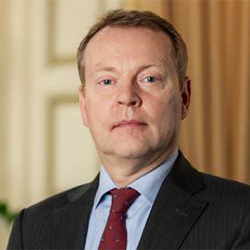
OSCE High Commissioner on National Minorities
Latvian social cohesion radar 2026

Deputy Director, Society Integration Foundation of the Republic of Latvia
Results of the mid-term evaluation of the Adaptation Programme
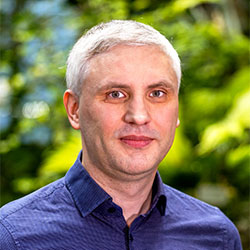
Baltic Studies Institute
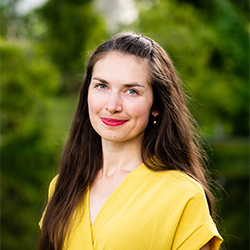
Head of the Adaptation Programme at the Integration Foundation
Political debate of the parliamentary parties of Estonia
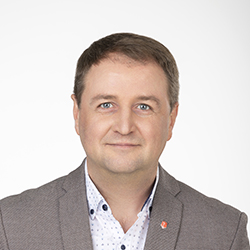
Social Democratic Party
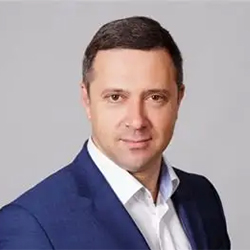
Estonian Centre Party
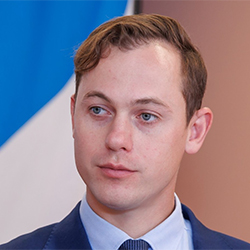
Estonia 200
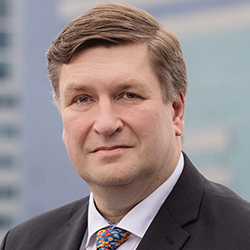
Right-Wingers

EKRE (Conservative People's Party of Estonia)
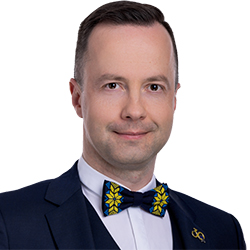
Estonian Reform Party
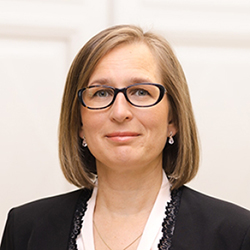
Isamaa (Fatherland)
Moderator:
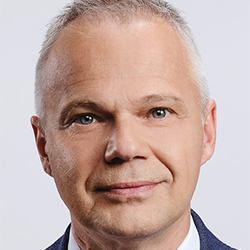
Journalist and Lecturer, Tallinn University
Panel Discussion:
Community, information space and media: how can they strengthen or undermine one another?
The information space reflects the attitudes and tensions present within society and communities, while also shaping what is discussed publicly and how these discussions take place. When the information space becomes fragmented, it can deepen social divisions and mutual distrust, as different groups consume different media, hear different narratives and, over time, begin to live in separate realities. In such circumstances, meaningful public dialogue becomes more difficult and disinformation can spread more easily. What conditions allow communities, the information space and the media to reinforce one another rather than undermine one another?
Expert, Center for European Policy Analysis (CEPA), Lithuania
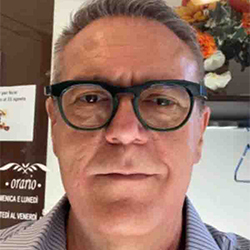
Associate Professor, University of Rome Tor Vergata, Italy
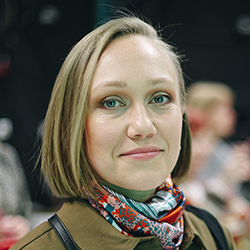
Media Expert, Digital and Media Literacy Trainer, Founder of Future Media NGO, Estonia

British Council
Moderator:
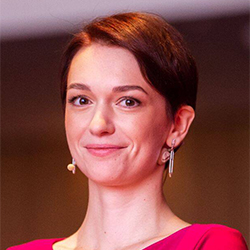
Journalist at Äripäev and former Editor-in-Chief of Delovye Vedomosti
Conclusions and closing remarks
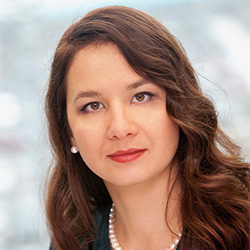
Programme Manager, International Integration Conference
Opening remarks and greetings
Minister of Culture of Estonia
Director of the Integration Foundation
Democracy under pressure: threats, polarization and the prerequisites for democratic resilience
Democratic backsliding is often explained through political elites, constitutional design, or institutional weakness. Yet democratic erosion also depends on what citizens are willing to tolerate. What happens when democratic principles come into conflict with other urgent priorities—security, partisan victory, social status, or the defence of valued identities. The keynote draws on a series of studies examining the individual-level foundations of democratic vulnerability.
Professor of Political Science, McGill University, Canada
What 200 migrants taught us about better integration policy
How can we reach migrants and diverse communities and turn their lived experiences into concrete policy recommendations? How can we build a society where everyone feels they belong and can live a free and dignified life, regardless of where they were born?
Deputy CEO of the Swedish think tank Arenagruppen and Co-founder of Integrationsbyrån, Sweden
Panel Discussion:
What keeps society cohesive and resilient in a world of global change?
What values and principles help create and sustain social cohesion even when societies face numerous challenges, from economic downturns to increasing polarization? What role does diversity play in this context, and how can it become a source of strength rather than division? And what practical solutions can help translate these ideas into action at the grassroots level, in communities and people's everyday lives?
Lecturer, Bern University of Applied Sciences, Switzerland
Tenured Professor and Leading Researcher, Latvian Academy of Culture, Latvia
Global Head of PR at Bolt
Moderator:
Director and Co-founder, Estonian Centre for Defence and Security Awareness, Estonia
OSCE High Commissioner on National Minorities
Latvian social cohesion radar 2026
Deputy Director, Society Integration Foundation of the Republic of Latvia
Results of the mid-term evaluation of the Adaptation Programme
Baltic Studies Institute
Head of the Adaptation Programme at the Integration Foundation
Political debate of the parliamentary parties of Estonia
Social Democratic Party
Estonian Centre Party
Estonia 200
Right-Wingers
EKRE (Conservative People's Party of Estonia)
Estonian Reform Party
Isamaa (Fatherland)
Moderator:
Journalist and Lecturer, Tallinn University
Panel Discussion:
Community, information space and media: how can they strengthen or undermine one another?
The information space reflects the attitudes and tensions present within society and communities, while also shaping what is discussed publicly and how these discussions take place. When the information space becomes fragmented, it can deepen social divisions and mutual distrust, as different groups consume different media, hear different narratives and, over time, begin to live in separate realities. In such circumstances, meaningful public dialogue becomes more difficult and disinformation can spread more easily. What conditions allow communities, the information space and the media to reinforce one another rather than undermine one another?
Expert, Center for European Policy Analysis (CEPA), Lithuania
Associate Professor, University of Rome Tor Vergata, Italy
Media Expert, Digital and Media Literacy Trainer, Founder of Future Media NGO, Estonia
British Council
Moderator:
Journalist at Äripäev and former Editor-in-Chief of Delovye Vedomosti
Conclusions and closing remarks
Programme Manager, International Integration Conference